Why Builders Trust Metal Stud Design Software for Framing
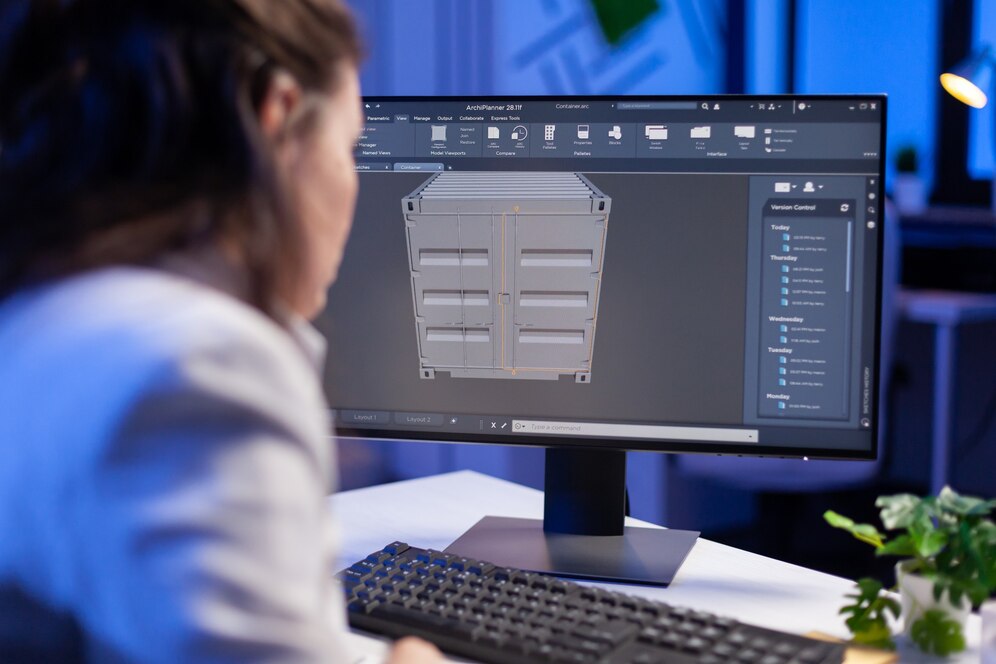
Discover the most recent innovations in cold-formed steel (CFS) design tools, which are transforming the building industry. Our innovative instruments give engineers and architects the precision and efficiency required for modern construction projects. From concept to thorough design, our software ensures accuracy, compliance, and peak performance. Discover the features that make our CFS design software the best choice for professionals, with unrivaled ease of use and powerful capability. Enhance your construction projects with our cutting-edge metal stud design software, which is geared to the needs of today's dynamic construction environment.
Metal framing has become a standard choice in construction due to its strength, durability, and fire resistance. However, precision is crucial when working with metal studs. A small mistake can lead to structural issues, material waste, and increased costs. That’s why builders rely on metal stud design software to streamline the framing process and improve accuracy.
The Importance of Precision in Metal Framing
Metal studs must be placed correctly to ensure structural integrity. Unlike wood, metal does not allow easy on-site modifications. This makes accurate design essential before installation. Traditional methods involve manual calculations, which can be time-consuming and prone to errors. This is where metal stud design software plays a key role.
How Metal Stud Design Software Helps Builders
1. Improves Accuracy and Reduces Errors
Manual calculations can lead to mistakes, especially in complex projects. Design software ensures precise measurements and proper stud placement. It helps builders avoid costly errors and rework, saving both time and money.
2. Speeds Up Project Planning
Framing requires detailed planning to prevent material waste and ensure efficiency. Metal stud design software automates calculations and generates detailed layouts. This speeds up project planning and allows builders to focus on execution.
3. Optimizes Material Usage
Material waste increases project costs. The software calculates the exact number of studs needed, reducing waste. It also suggests the best layout for efficient material use, helping builders save on costs.
4. Enhances Collaboration
Construction projects involve multiple teams, including architects, engineers, and contractors. The software allows easy sharing of framing designs, ensuring everyone is on the same page. This improves communication and prevents misunderstandings.
5. Ensures Compliance with Building Codes
Different regions have specific building codes for metal framing. The software incorporates these codes, ensuring compliance. Builders can design structures that meet safety standards, reducing the risk of penalties or modifications.
Key Features of Metal Stud Design Software
1. Automated Calculations
The software calculates loads, spacing, and stud placement, eliminating the need for manual math. This ensures accuracy and efficiency in framing design.
2. 3D Modeling and Visualization
Builders can create 3D models to visualize the structure before construction. This helps identify potential issues and make necessary adjustments early.
3. Integration with Other Software
Many tools integrate with CAD and BIM software, allowing seamless data transfer. This improves workflow efficiency and ensures consistency across different project stages.
4. Cost Estimation and Reporting
Estimating costs is crucial for budgeting. The software provides detailed cost reports, helping builders plan expenses and avoid unexpected costs.
5. Cloud-Based Access
Many modern solutions offer cloud access, allowing teams to view and update designs from anywhere. This improves flexibility and ensures real-time collaboration.
Why Builders Prefer Metal Stud Framing Over Wood
Metal studs have several advantages over traditional wood framing:
Durability: Metal does not rot, warp, or shrink like wood.
Fire Resistance: Unlike wood, metal is non-combustible, improving safety.
Pest Resistance: Metal does not attract termites or other pests.
Consistency: Metal studs are uniform in size, reducing installation challenges.
Eco-Friendly: Metal framing is often made from recycled materials, making it a sustainable choice.
Choosing the Right Metal Stud Design Software
With several options available, choosing the right software depends on project needs. Builders should consider:
Ease of use: A user-friendly interface helps teams work efficiently.
Compatibility: The software should integrate with existing tools.
Support and updates: Regular updates ensure compliance with new building codes.
Cost: Builders should choose a solution that fits their budget without compromising features.
Conclusion
Metal stud design software has transformed the way builders plan and execute framing projects. It improves accuracy, saves time, and reduces material waste. With features like automated calculations, 3D modeling, and cost estimation, the software simplifies the framing process. Builders who use this technology ensure precision, efficiency, and compliance with industry standards. Investing in the right software is a smart decision for any construction professional aiming for high-quality and cost-effective metal framing.

